In the past few weeks, we have been appreciating and analyzing “The Matrix,” “Ready Player One,” and “Arrival” in class. I have analyzed these three films and discussed different perspectives on them with my classmates.
The Matrix
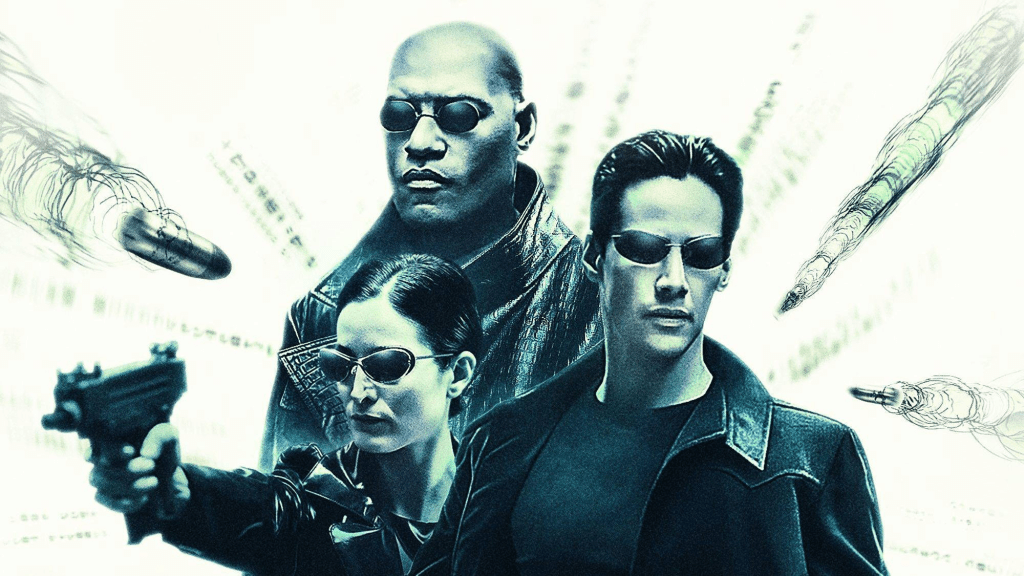
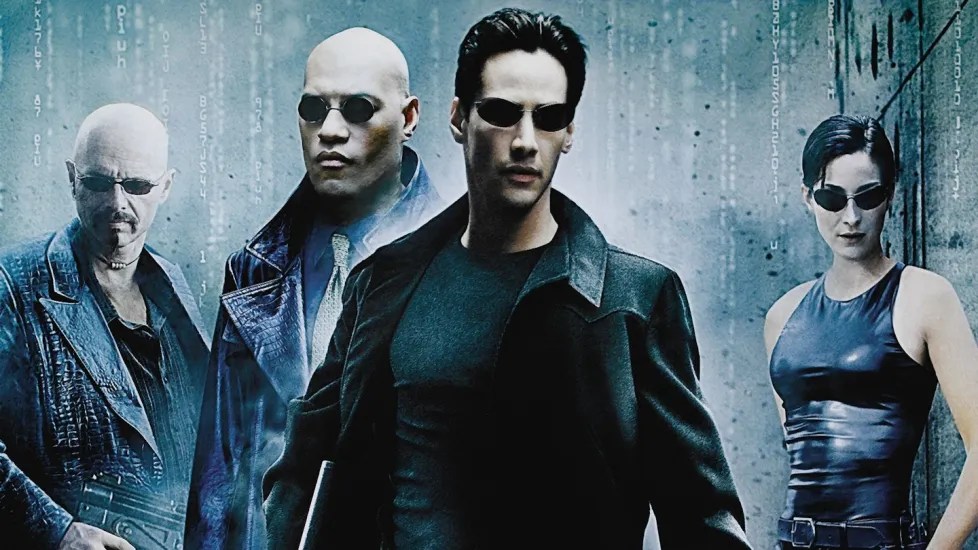
Over the past few weeks, our class has delved into the intricate and captivating world of “The Matrix.” This film, directed by the Wachowskis, has not only entertained audiences with its stunning visuals and groundbreaking special effects but also provoked deep philosophical discussions about reality, free will, and the nature of human existence.
One of the central themes of “The Matrix” is the distinction between reality and illusion. The film presents a dystopian future where humanity is unknowingly trapped in a simulated reality created by intelligent machines. This concept challenged us to think about the nature of our own reality. During discussions, we pondered questions such as: How do we know that what we perceive is real? Can technology manipulate our perceptions to the extent that we lose touch with the true nature of our existence?
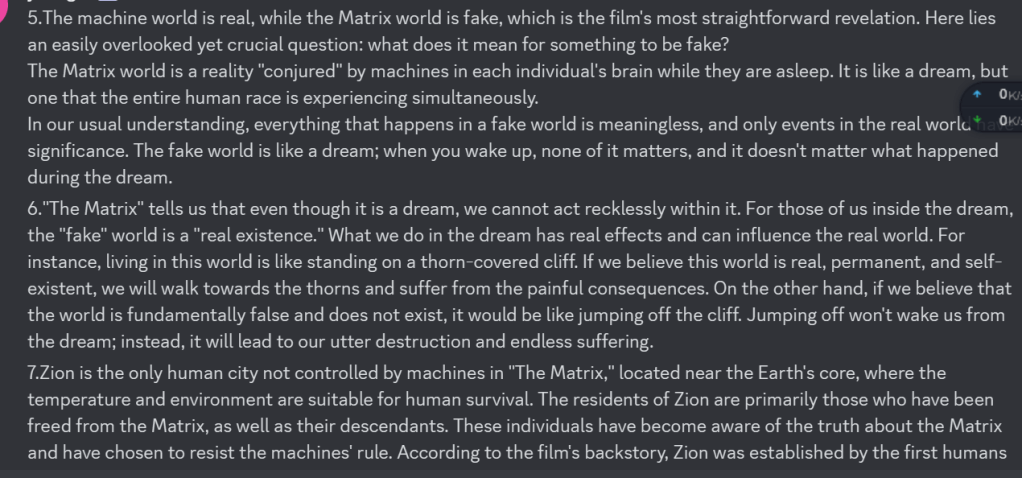
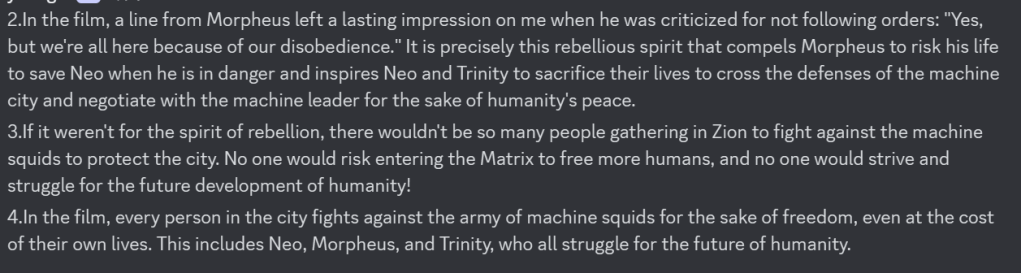
Stolberg-Lilling believes that what we consider to be straightforward decisions are actually a stringent and historically variable form of social action, masked as typical everyday experiences. This viewpoint is profoundly reflected in “The Matrix.”
Stolberg-Lilling’s notion of “stringent and historically variable social action forms” is also evident in “The Matrix.” When Neo chooses the red pill, he enters a completely different reality. This decision not only affects him personally but also impacts the future of Zion. The stringency of this decision lies in its profound social and historical significance. Every decision Neo makes, especially when facing the machine world and the Matrix, requires him to balance personal interests with the fate of humanity as a whole.
Ready Player One
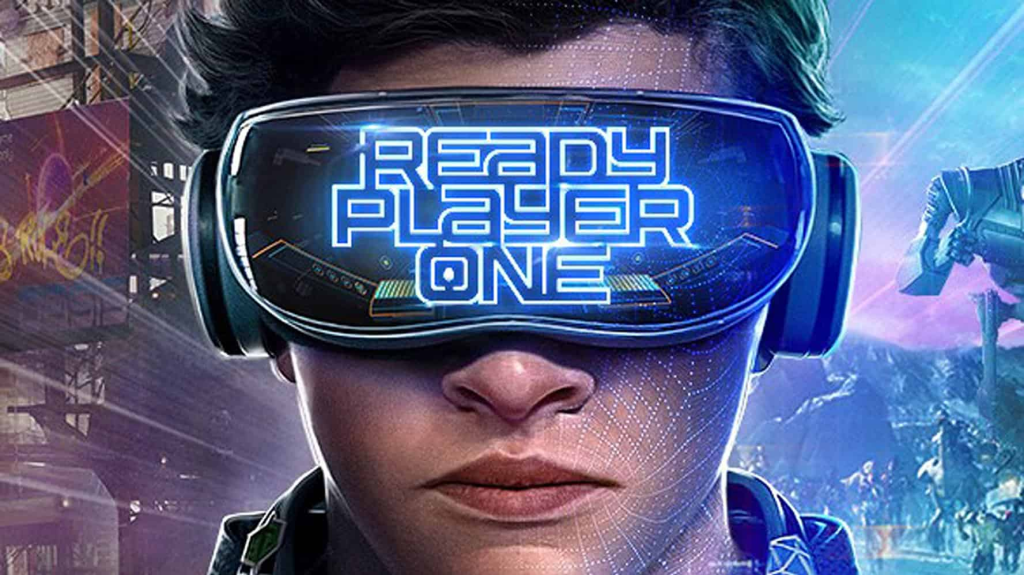
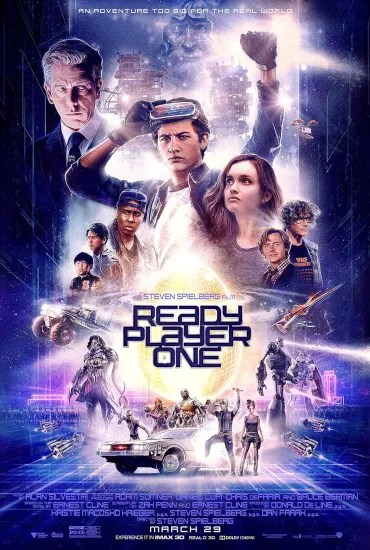
I conducted an in-depth analysis of “Ready Player One.” This film, with its dazzling visuals and rich narrative, explores virtual reality, gaming culture, and the intersection of technology and society.
In “Ready Player One,” my primary focus was on the allure of virtual reality and its impact on individuals and society. In the film, the OASIS is a vast virtual universe where people escape the harsh realities of life. This made me think about the real world, where advancements in technology and the maturation of VR provide unprecedented opportunities for entertainment, education, and social interaction. However, these advancements also pose risks of addiction and the potential neglect of real-world issues. The film prompts us to reflect on how to maintain our connection to the real world while embracing technological progress.
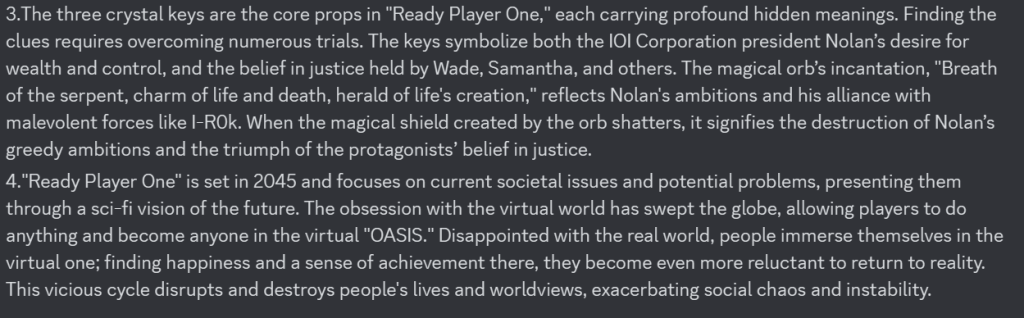
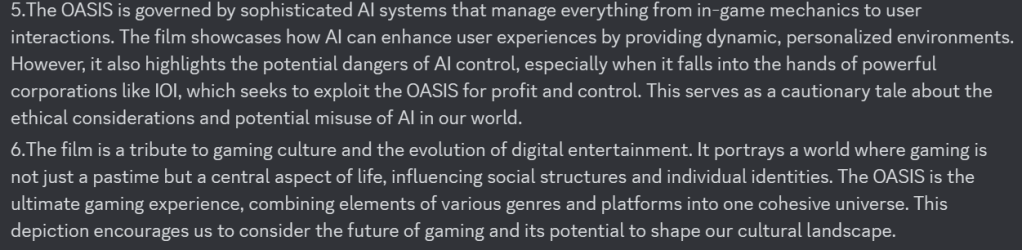
The concept of “cyberspace,” introduced by William Gibson in “Burning Chrome,” describes a virtual world made up of information flows and data. This idea is concretely realized in “Ready Player One” as the OASIS, a vast virtual universe. In the OASIS, users can enter a completely digital world through virtual reality devices, engaging in various interactions and adventures. The OASIS is not only a tangible representation of Gibson’s cyberspace but also an extension and expansion of his ideas.
Arrival
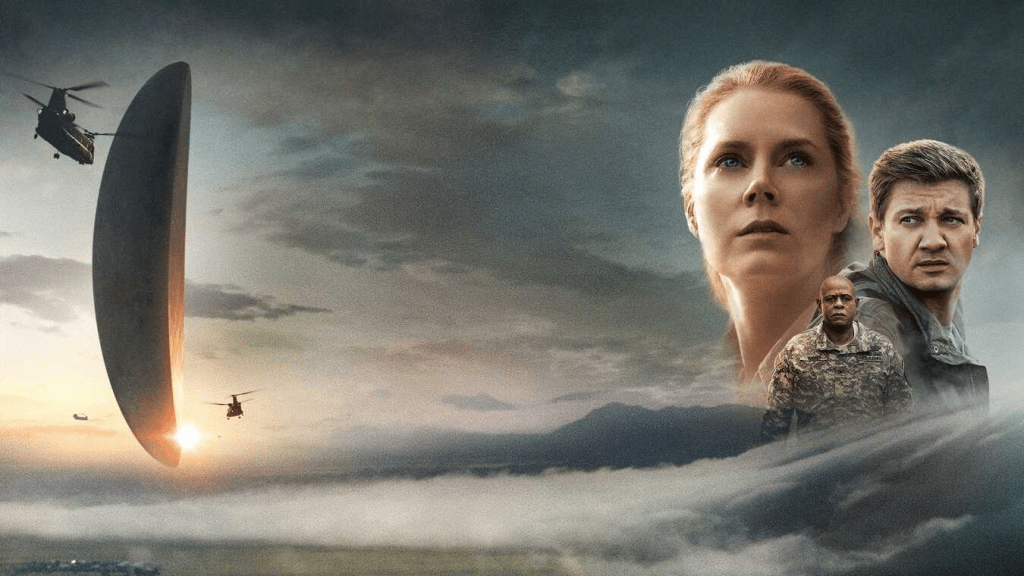
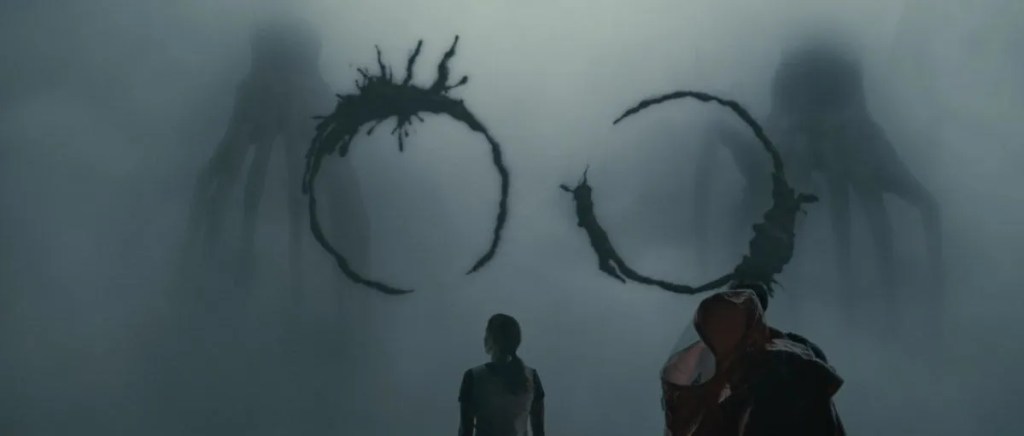
I conducted an in-depth analysis of the film “Arrival,” directed by Denis Villeneuve. The film combines science fiction with profound philosophical questions about language, time, and human connection, prompting my discussions and reflections.
The core theme of “Arrival” is the relationship between language and thought. In the film, linguist Dr. Louise Banks is tasked with deciphering the complex language of the alien heptapods. As she learns this language, her perception of time becomes non-linear, allowing her to experience the past, present, and future simultaneously. My discussion emphasized how this theme challenges human understanding of reality. I focused on how language influences our cognition and worldview. This theme is particularly resonant, prompting me to seriously consider the power of language in shaping human experience and communication.
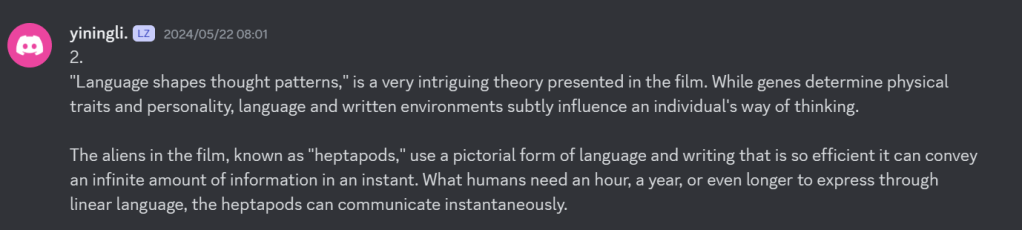
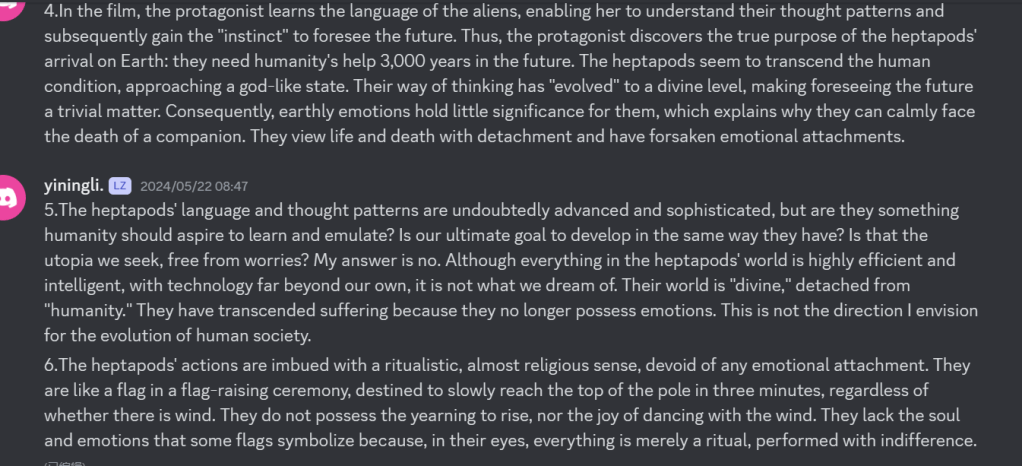
El-Bizri emphasizes the inevitability of death and the necessity of confronting it as an integral part of life. In “Arrival,” Dr. Louise Banks’s journey is deeply intertwined with her acceptance of death. As she learns the heptapods’ language, she begins to perceive time non-linearly, experiencing her life, including the future death of her daughter, as a continuous whole. This awareness forces her to confront the inevitability of her daughter’s death and the associated emotional pain. Instead of changing her path to avoid this suffering, Louise embraces it, embodying El-Bizri’s notion that facing death can enrich our understanding and experience of life.
This is the process of communicating with others:
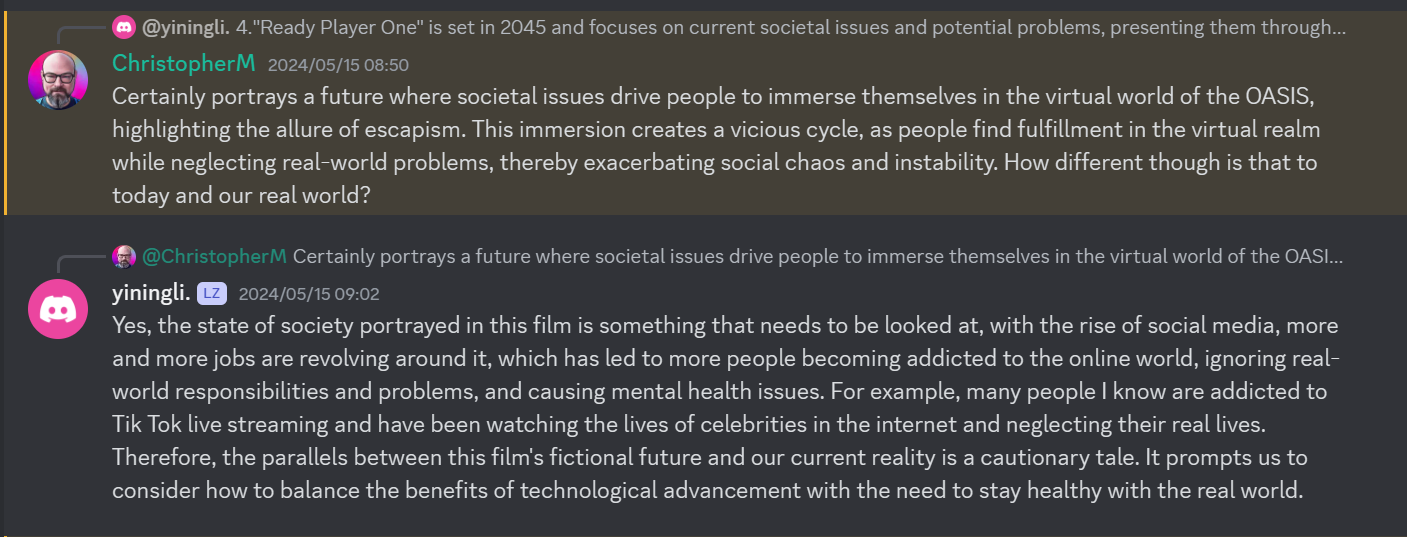
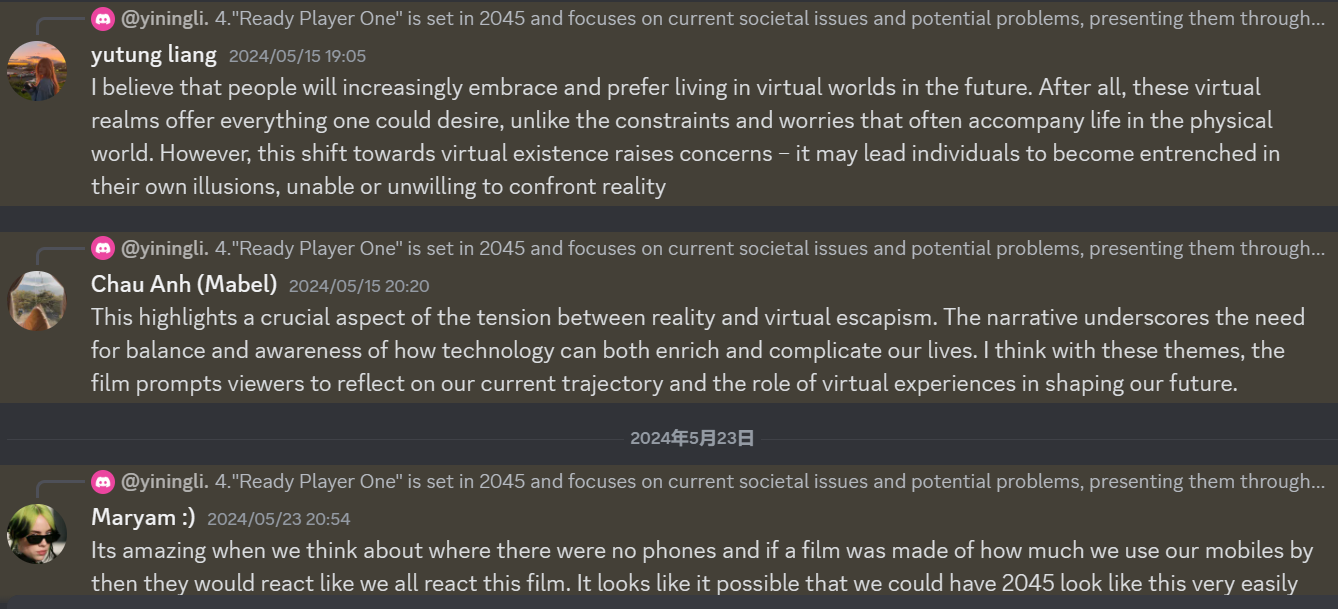
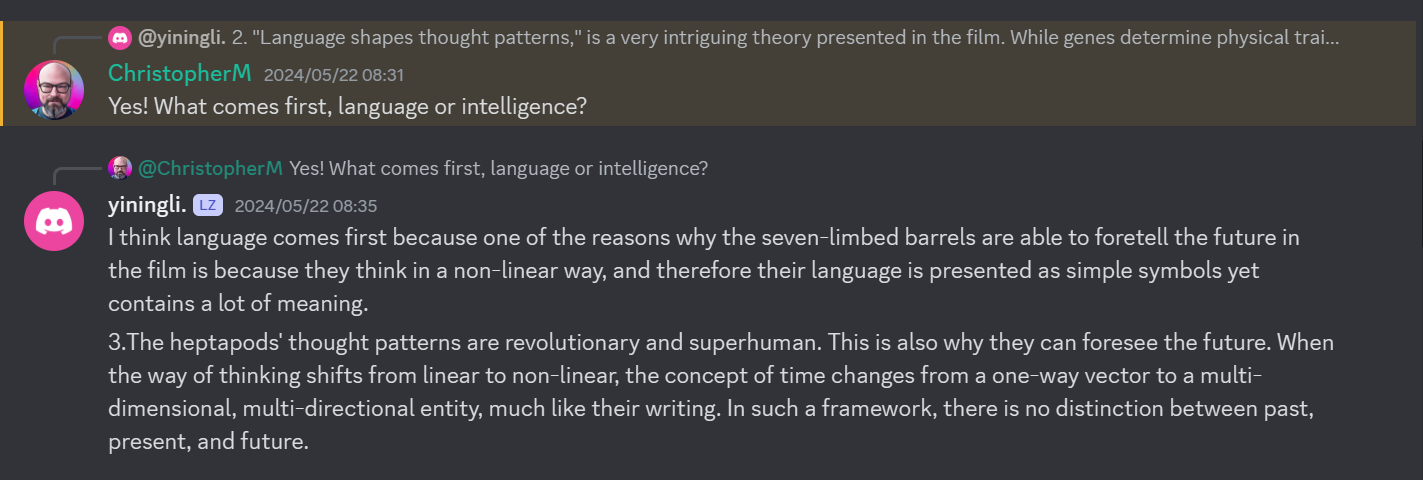
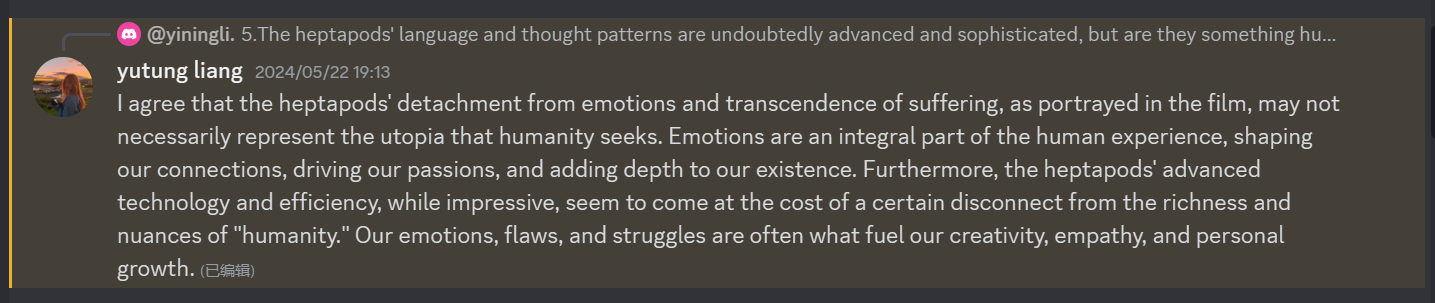
In-class film analysis is not just an individual endeavor; more importantly, it involves exchanging opinions with classmates. Through this exchange of ideas, we can absorb a richer and more interesting array of thoughts and reflect on whether these insights from others can help us. The process of intellectual exchange encourages us to critically evaluate our own interpretations. By considering different viewpoints, we can challenge our preconceptions and deepen our understanding of the film. This exchange of ideas fosters a collaborative learning environment, allowing everyone to benefit from the collective wisdom. Through this interaction, we can gain valuable insights and thus conduct a deeper and more meaningful analysis of the film.
 Yining li